
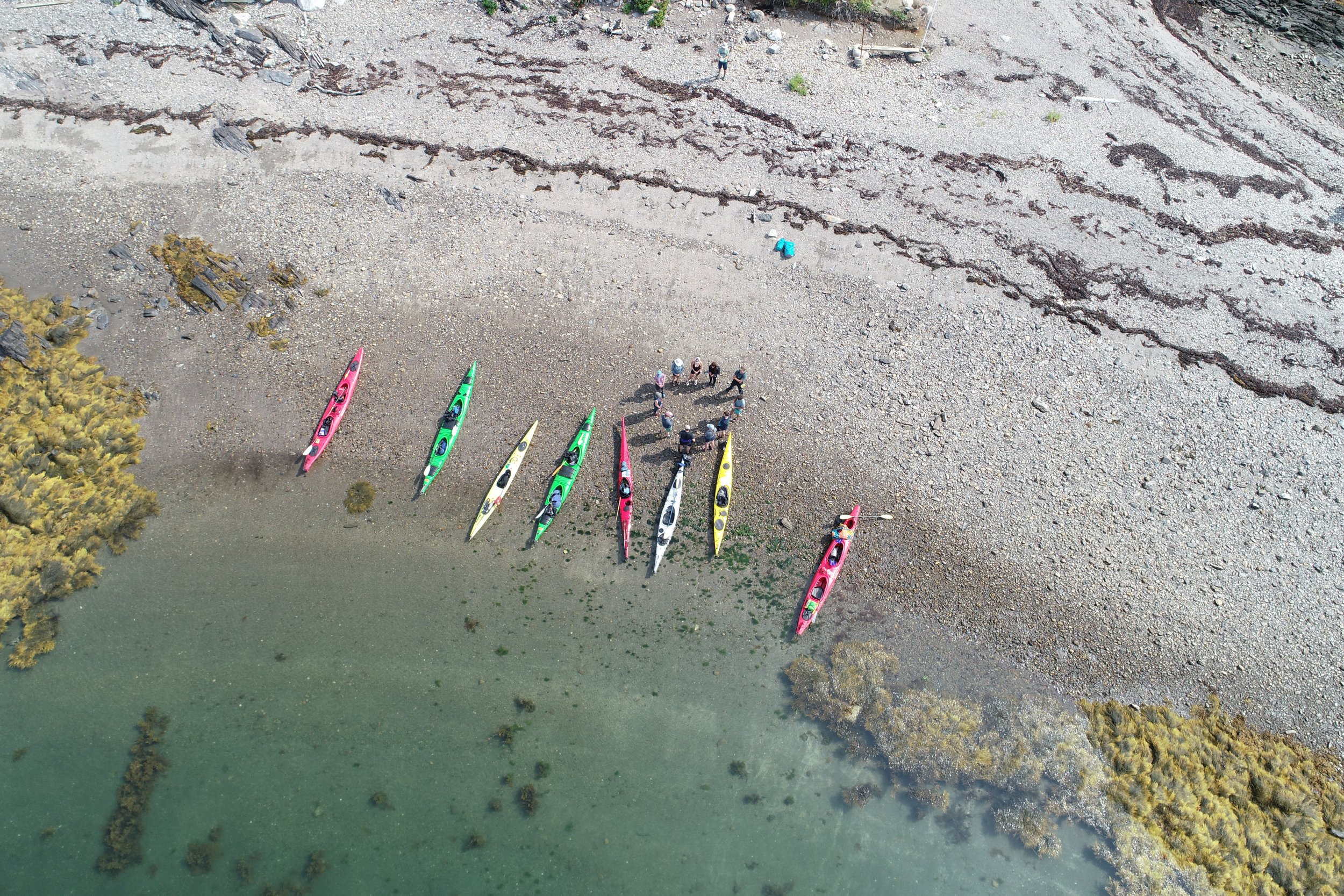
Awakening the Spirit of Place, Together
COBALT (Collaborative for Bioregional Action Learning & Transformation) works alongside communities to regenerate living systems, deepen relationships to place, and grow action-learning rooted in the unique spirit of each region.
What We Do
Healthy futures grow from healthy places. We work with communities to restore ecosystems, strengthen stewardship, and explore new forms of place-based governance—supporting people to understand the systems shaping their regions and collaborate on pathways toward long-term regeneration.
Why It Matters
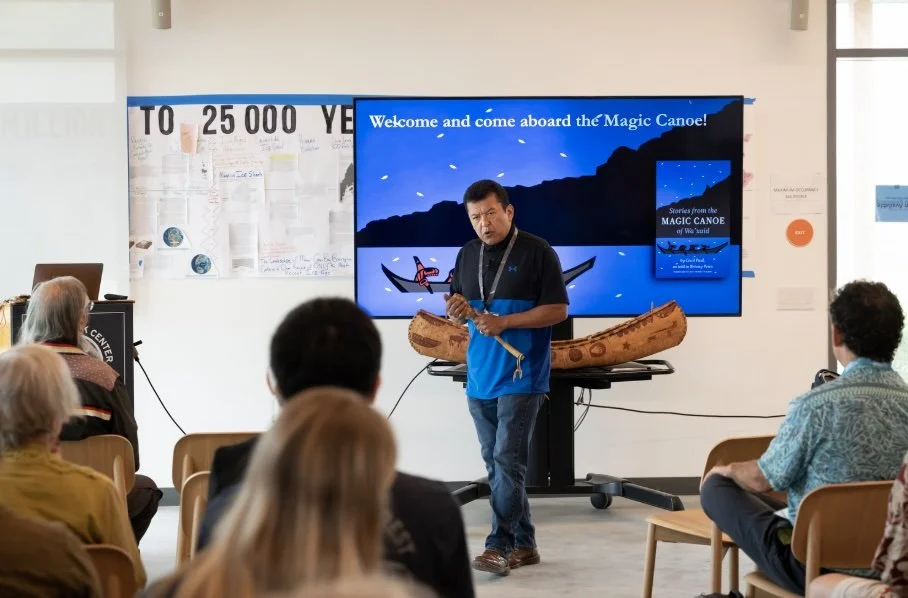
In a time of accelerating ecological and social change, the future depends on our ability to renew relationships between people, place, and the living systems that sustain life. As communities around the world face growing fragmentation and uncertainty, we need ways to honor diverse histories, knowledge systems, and practices while finding shared ground for action. Supporting communities to regenerate the places they call home is essential for building resilient futures, for ecosystems, cultures, and the generations to come.
How We Work
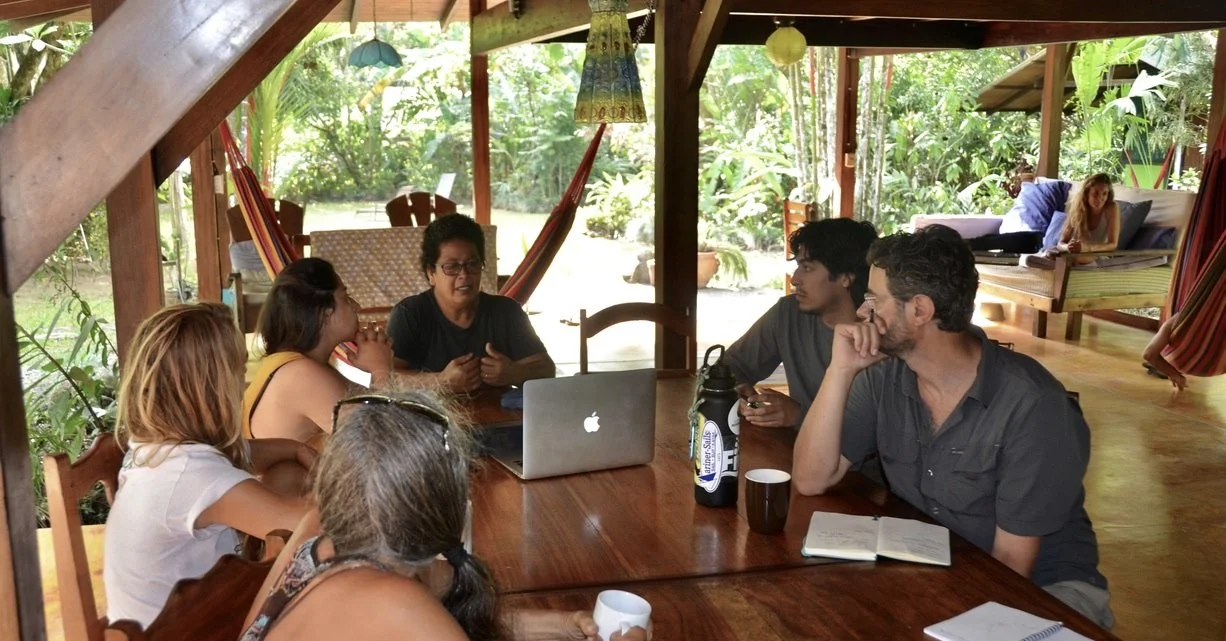
Cobalt, (Co, #27 on the periodic table, or 3³)is our metaphor: essential to life and modern systems, a catalyst and connector. COBALT reflects this dual role, placing “Co”—collaboration, co-creation, and collective stewardship—at the heart of awakening the spirit of place and transforming how we live with Earth’s abundance. We act as facilitators, connectors, and co-practitioners, convening local knowledge holders, scientists, practitioners, and communities to learn, plan, and act for our shared home.
How It Comes Together
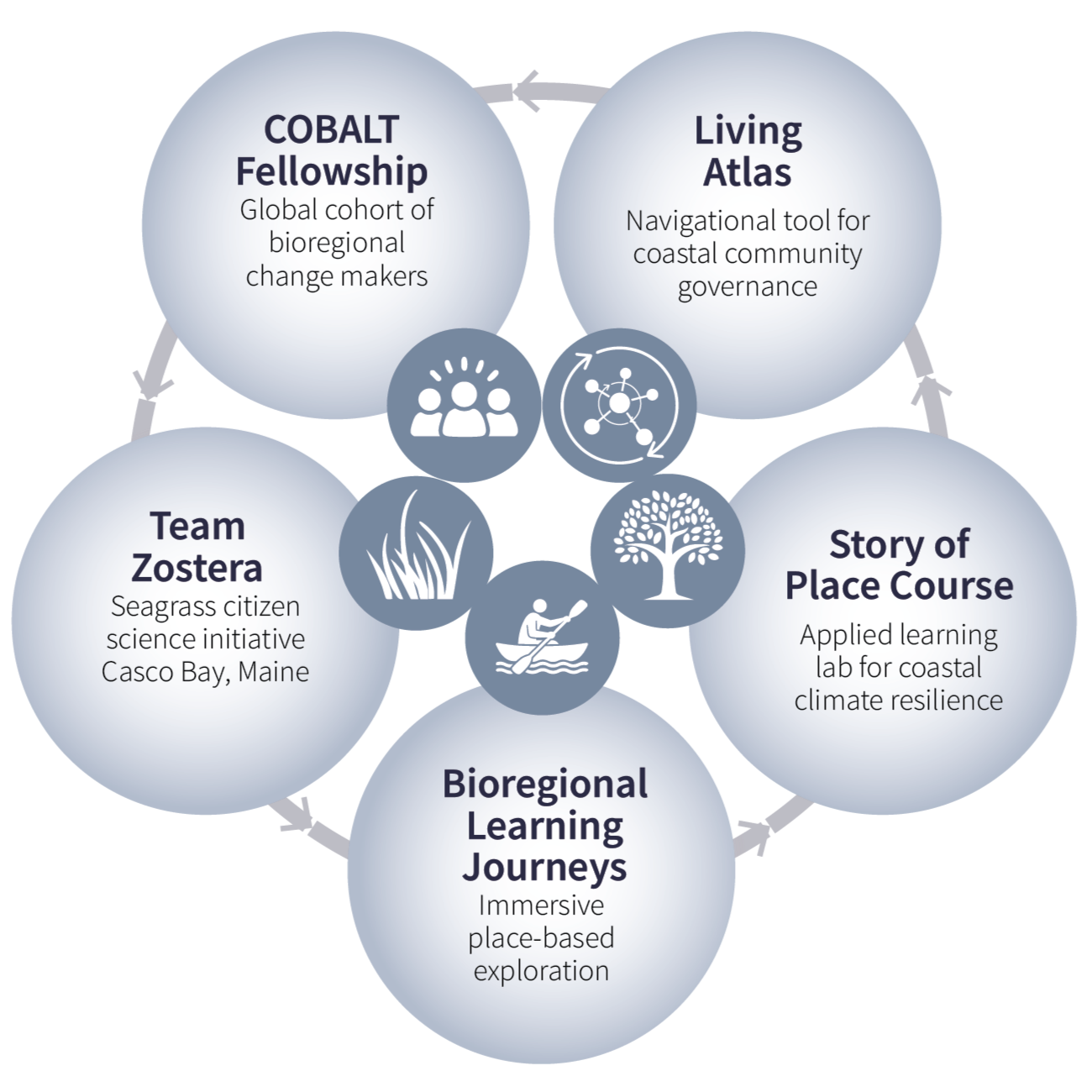
Our initiatives form an interconnected ecosystem, each designed to build capacity for bioregional regeneration.
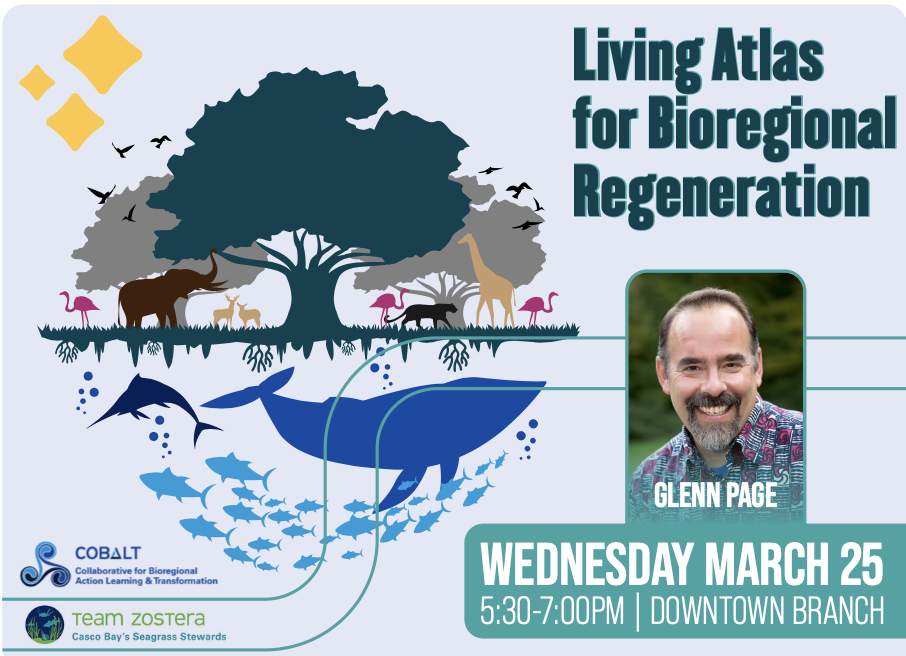
The COBALT Fellowship, Spirit of Place Course, and Bioregional Learning Journeys cultivate shared language, leadership, and place-based understanding. The Living Atlas translates this work into a platform for governance, learning, and decision-making. In Casco Bay, Team Zostera advances community science and seagrass restoration—grounding these approaches in real-world practice. Together, these efforts link learning, action, and governance.
See how this work comes to life
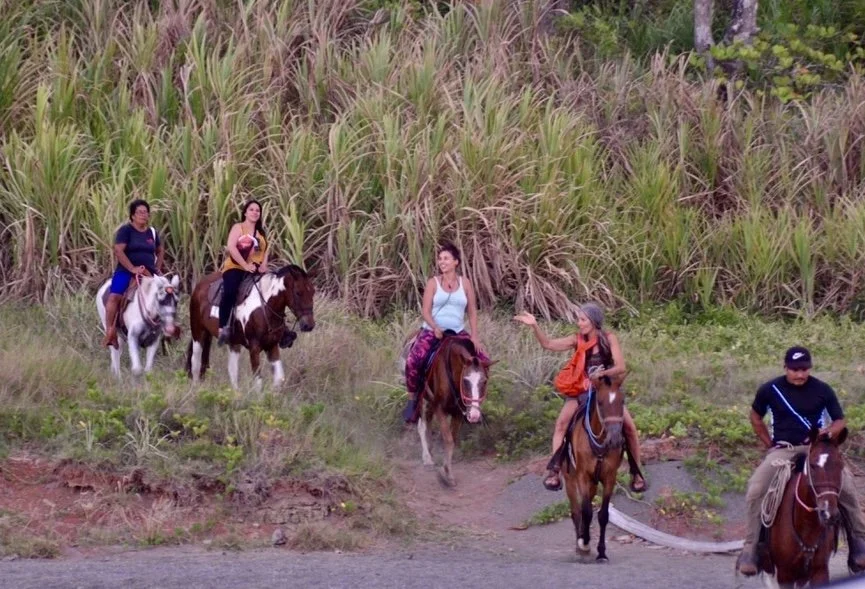
Explore our recent Bioregional Learning Journey in the Westfjords, Iceland
Community Science & Art for Seagrass Recovery
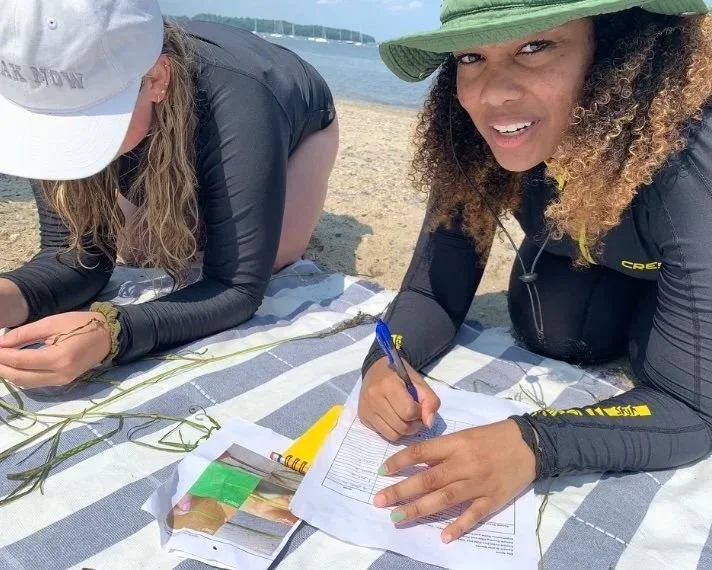
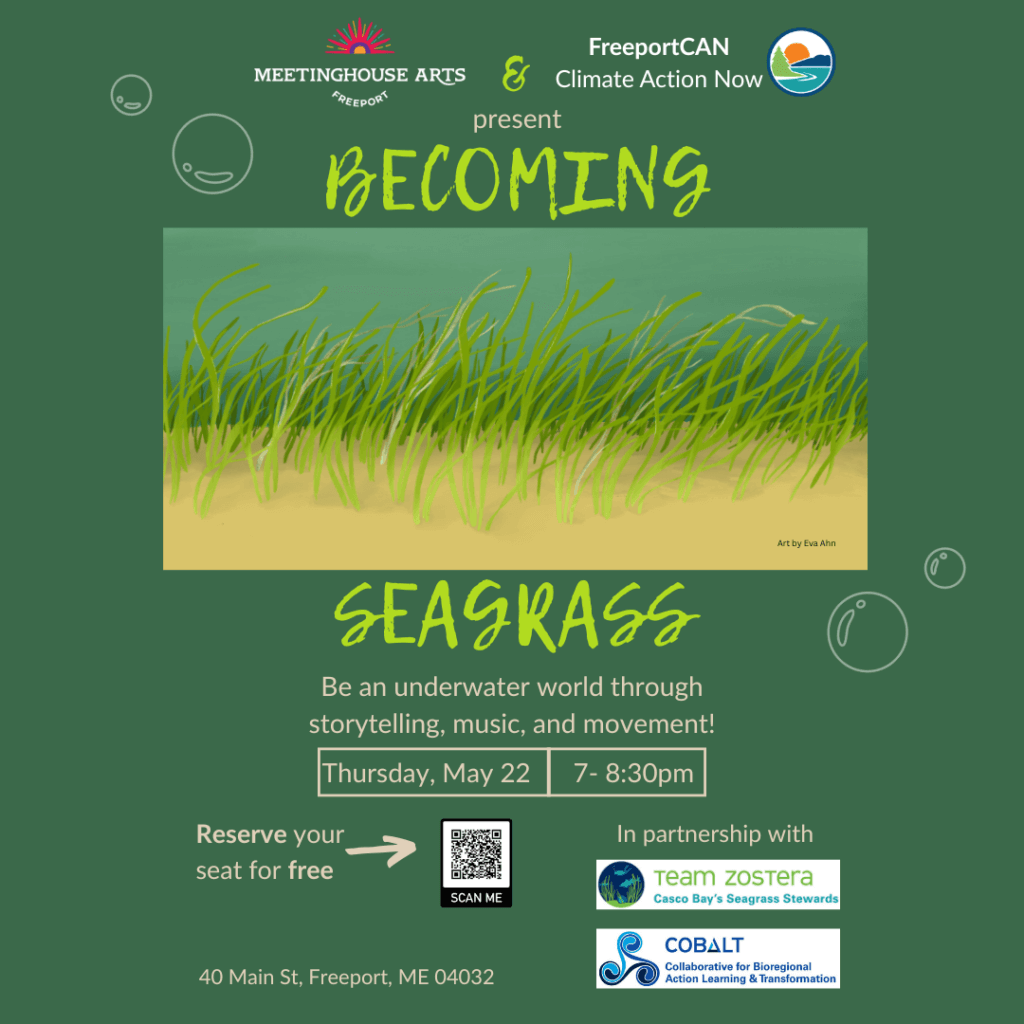
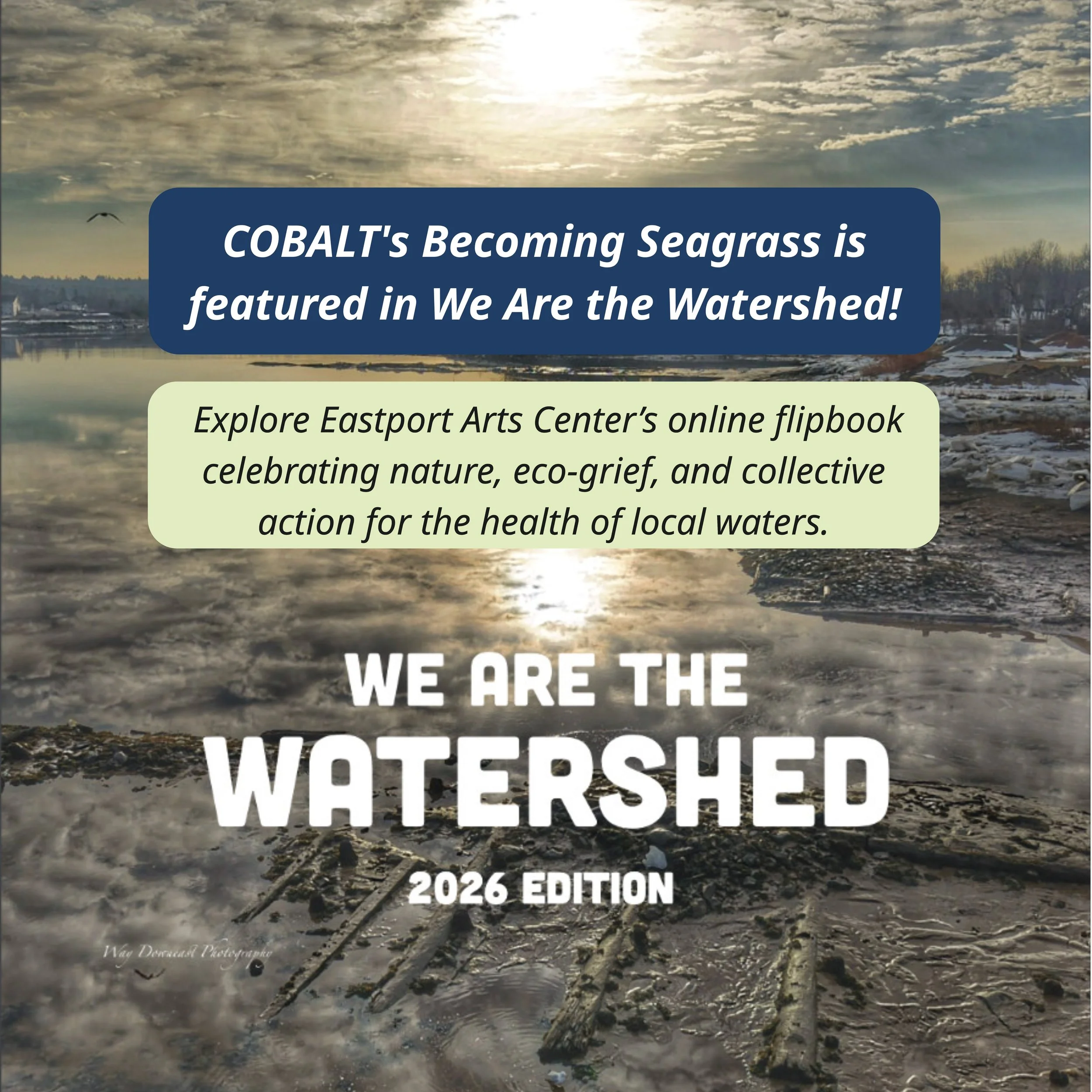
Team Zostera is our citizen science initiative restoring eelgrass in Casco Bay and the Gulf of Maine. In response to rapid eelgrass decline, threatening fisheries, biodiversity, and climate resilience, the program integrates research, community participation, and hands-on restoration. It studies eelgrass ecosystems, advances seed-based methods, and monitors recovery to support long-term stewardship.
The work is carried out through COBALT’s AAUS-affiliated Scientific Diving Program, with 15 certified divers supported by an 8-member Dive Control Board ensuring rigorous safety standards.
Member of the Buckminster Fuller Institute’s Design Lab
We’re honored to be part of the Buckminster Fuller Institute’s Design Lab, advancing bioregional resilience as a critical pathway for navigating today’s interconnected climate, ecological, and economic challenges. Building on Fuller’s legacy of systems thinking, the Design Lab supports regions in charting regenerative futures through coordinated, place-based action. As part of this cohort, we are contributing to—and learning from—a shared effort to build the tools, models, and partnerships needed to support thriving regions at a planetary scale.
COBALT Brings Bioregional Storytelling to Collective Change Lab Fellowship
COBALT Executive Director Glenn Page and Associate Director Juliana Bohórquez, Founder of Bosque Fractal, recently completed the Collective Change Lab’s Systems Storytelling Fellowship, a two-year journey exploring how stories can spur systemic change. They were invited into a global constellation of collectives working across narrative, ecology, culture, and social change — affirming the power of bioregional storytelling to help communities look beyond political boundaries, reconnect through watersheds, ecosystems, histories, and shared futures, and act with deeper care for the living systems they call home.
Where We Work
Every place has its own path to regeneration. Based in Portland, Maine, and working regionally across the globe, we collaborate with communities who are navigating their own path for a more just, inclusive and biodiverse future. Recent work in Scotland, Colombia, Canada, Ireland, Ghana, Iceland and beyond, supports place-based regeneration through ecological restoration, learning, and stewardship.
Key Concepts
-
A bioregion is a living, place-based system shaped by the interdependence of land, water, species, culture, and governance over time. It reflects how people and ecosystems co-evolve within a shared geography — and how actions in one part of the system affect the whole. Long understood by Indigenous communities, a bioregion is a sacred relationship grounded in stewardship, lived experience, and responsibility to future generations.
-
Regeneration means realigning human activity with planetary health—restoring the capacity of living systems to function, adapt, and sustain life over time. Bioregional practice shifts restoration from isolated projects to coordinated, place-based action, aligning ecological restoration, governance, and community stewardship at the scale where regeneration processes have the most impact.
-
Pluralism is the practice of appreciating multiple ways of knowing and working across differences—bringing together diverse cultures, and perspectives to shape shared understanding and collective action. It recognizes that no single worldview holds all the answers, and that resilient systems emerge through collaboration, dialogue, and mutual respect. Rooted in both equity and humility, pluralism strengthens regional work by ensuring that decisions reflect the voices, knowledge, life and lived experiences of the whole life community.
Latest News & Events
Testimonials