Support Communities Regenerating Place
We need your help to continue doing this work!
COBALT’s efforts have been supported by foundations including the Novo Foundation, Maine Community Foundation, McKnight Foundation, John Sage Foundation, and Rockefeller Philanthropy Advisors, but community contributions like yours are essential to sustain the relationships, learning, and stewardship that make long-term regeneration possible.
Your donation supports bioregional learning journeys, ecological restoration initiatives, collaborative research, and the cultivation of place-based leadership networks, as well as the convening of diverse knowledge holders—scientists, Indigenous leaders, practitioners, and community members—to learn, plan, and act together for the future of their regions.
Donation Tiers
Supporter ($100–$250)
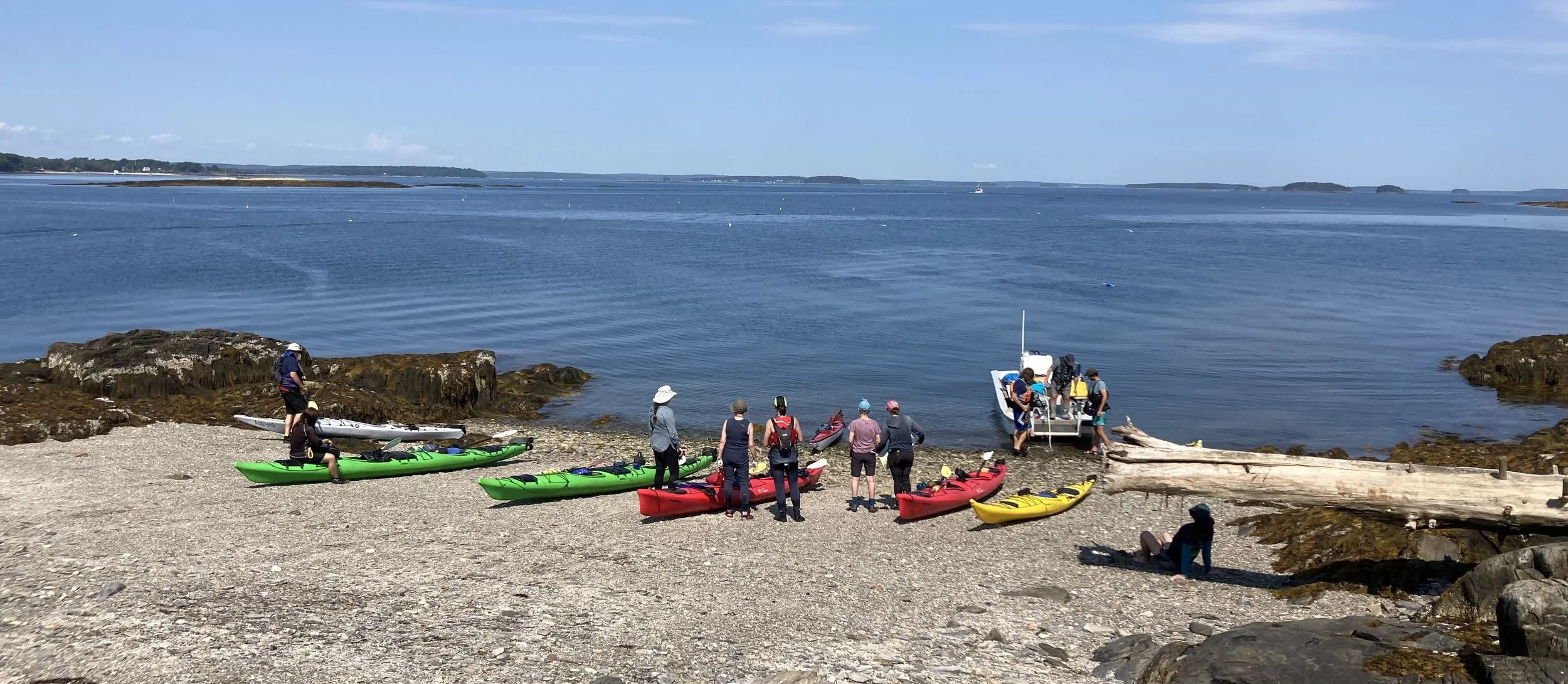
Supports hands-on eelgrass restoration, community science, and the core work of Team Zostera in the Gulf of Maine
Annual impact update and field notes from Team Zostera
Recognition as a Supporter on website and Annual Report
Collaborator ($250–$1,000)
Includes Supporter offerings, with direct access to the learning, tools, and conversations shaping COBALT’s bioregional work.
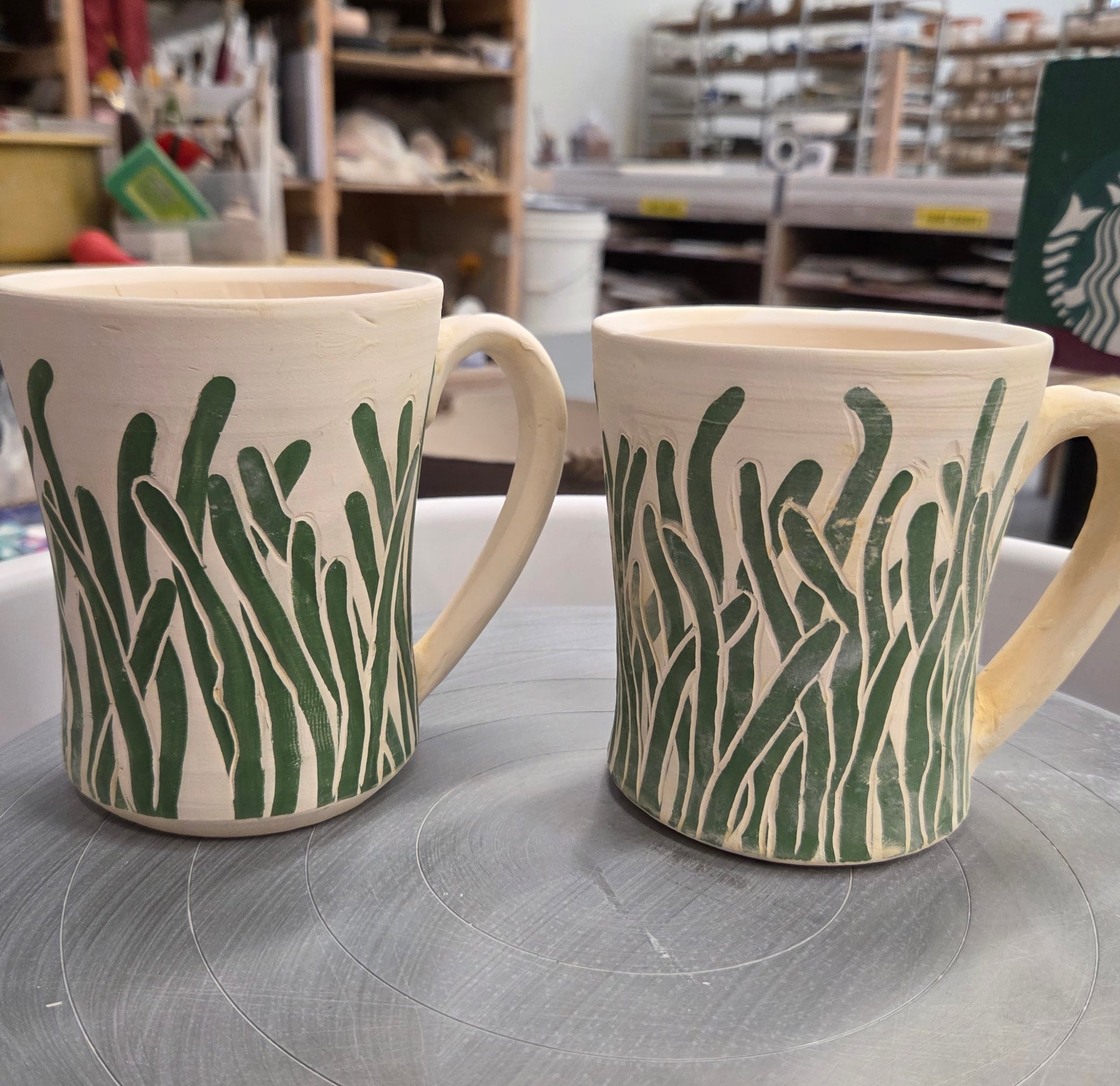
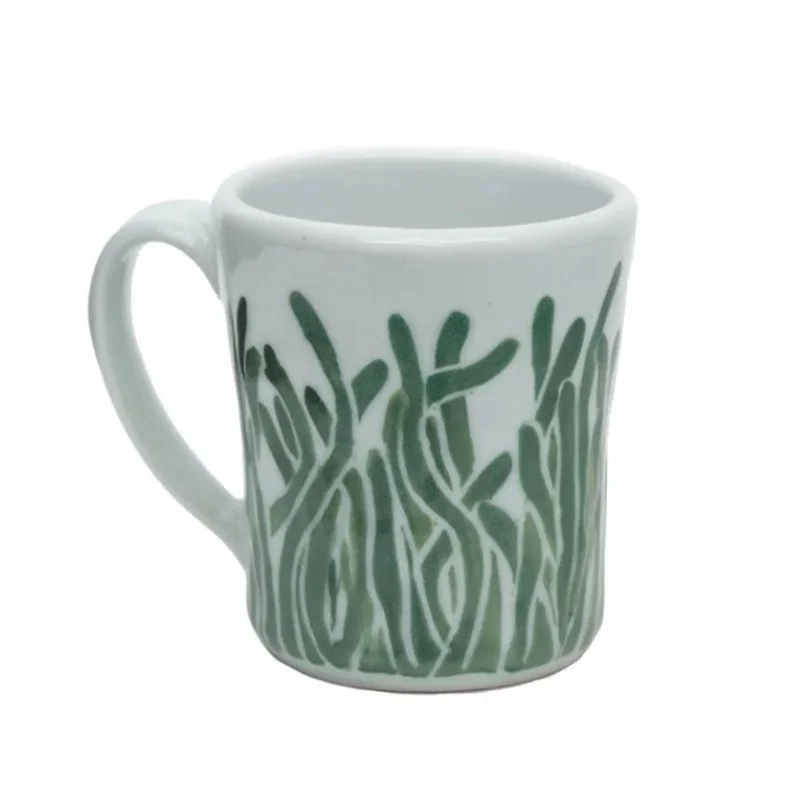
Handmade eelgrass mug by local artist Julie Corwin (at $60+)
Access to a systems thinking or bioregional workshop (live or recorded)
Recognition as Collaborator on website and Annual Report
Partner ($1,000+)
Includes Collaborator offerings, with dedicated time and engagement to apply regenerative thinking within your own organization, community, or place.
1-hour deep dive consultation with Executive Director Glenn Page on applying regenerative, place-based approaches to your organization or business.
Opportunity to support a COBALT Fellow or specific initiative
Invitation to explore deeper partnerships in Casco Bay and beyond
Recognition as Partner on website and Annual Report
Crafted in Connection to Place
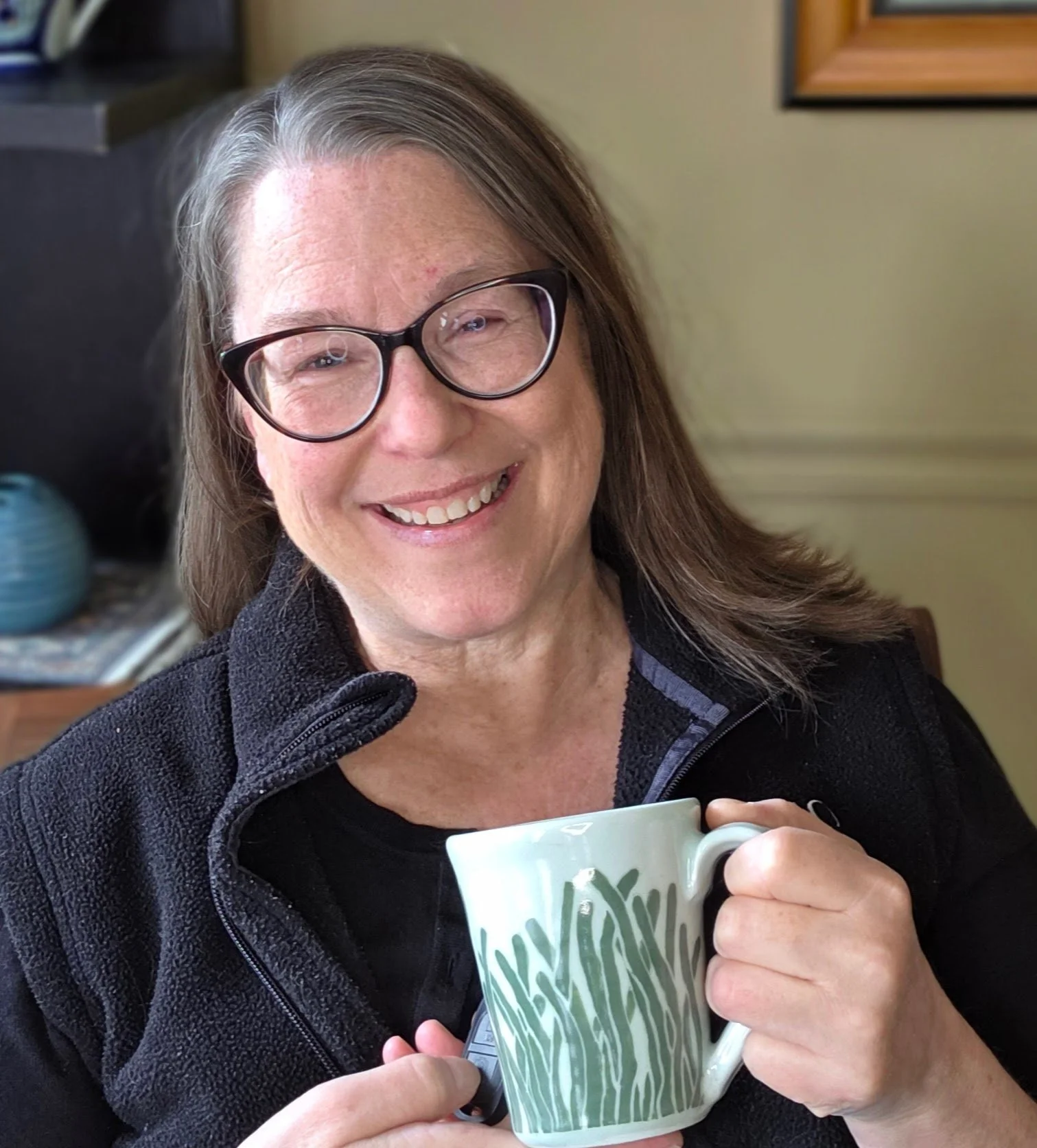
Meet Julie Corwin, the Artist Behind the Mug
Julie Corwin is a porcelain potter who left a career in digital strategy to create objects meant to be used and lived with. Working out of Mudflat Studio in Somerville, MA, she draws inspiration from her great-grandfather, an early 20th-century Art Nouveau artist, whose influence can be seen in her detailed, decorative work.
Her eelgrass mugs for Team Zostera are created through a multi-stage process—each one is wheel-thrown, trimmed, and hand-decorated, then fired multiple times in the kiln and finished in a traditional celadon glaze. Made over the course of months, no two are exactly alike, with subtle variations shaped by hand, material, and fire—each piece supporting the restoration of coastal ecosystems.