
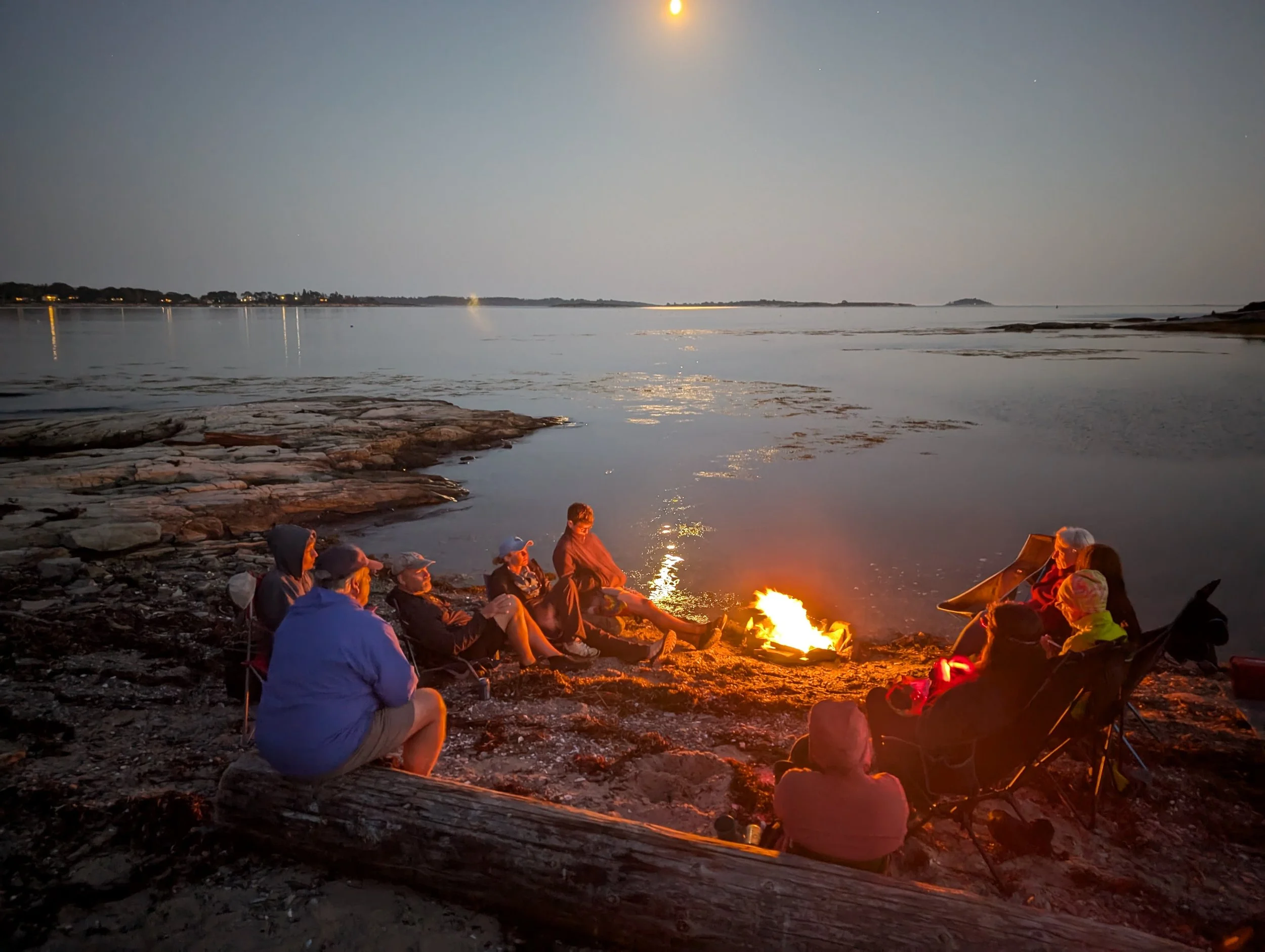
COBALT grew out of SustainaMetrix, a systems practice founded by Glenn Page in 2007 to support communities as they navigate the profound changes of the Anthropocene. SustainaMetrix has been conducting collaborative work in coastal communities across the globe for over 20 years including in the Arctic, Europe, Africa, Pacific Island, Caribbean, Latin America and North America. This work laid the foundation for COBALT’s approach to bioregional learning, systems mapping, and collaborative action for regeneration.
Nurturing Regeneration since 2007
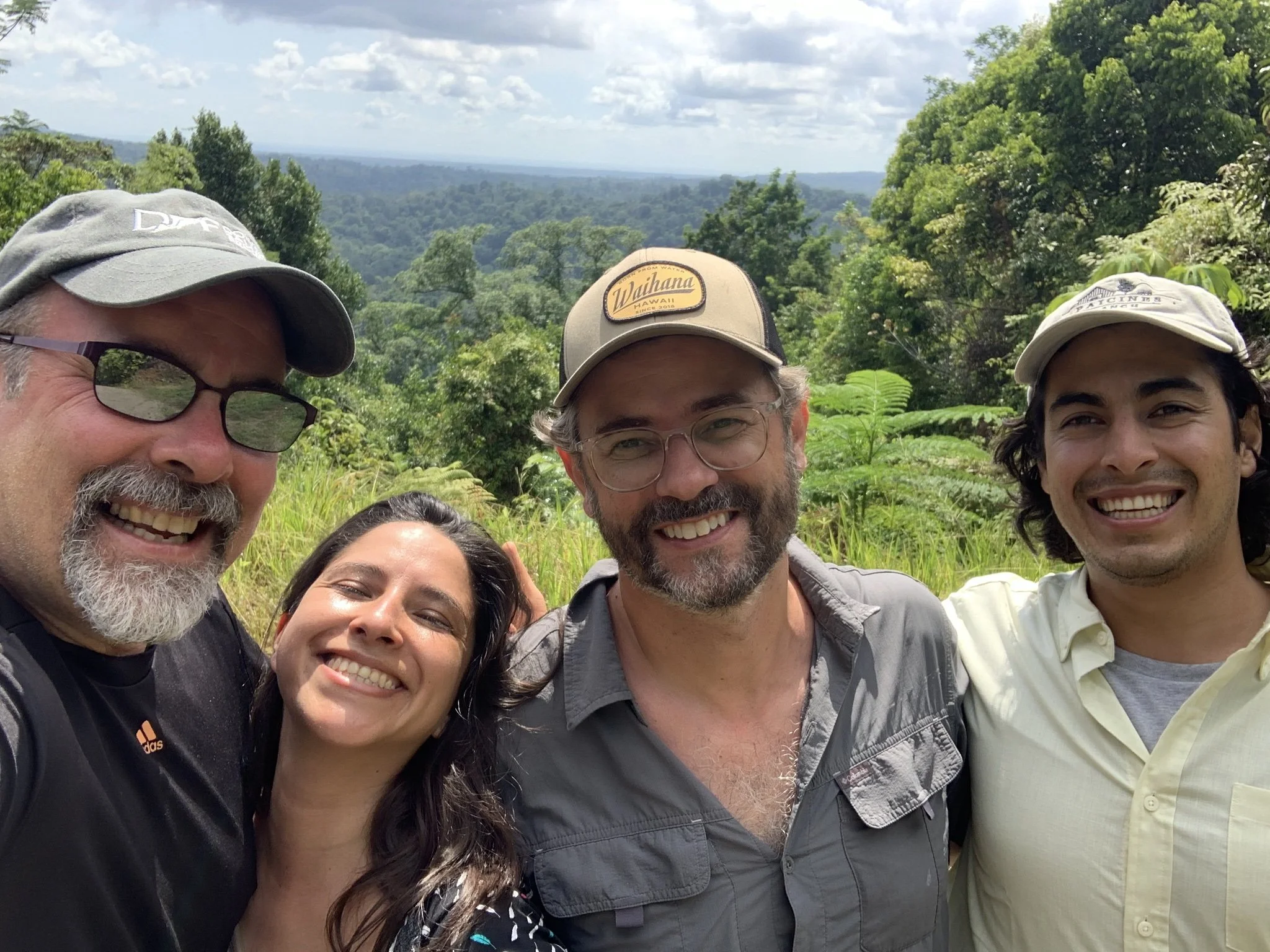
Systems Thinking in Action
Through evaluation, research, systems mapping, and strategic consulting, SustainaMetrix worked with universities, international organizations, NGOs, and government agencies to better understand complex social-ecological systems and support more adaptive responses to change. The work focused on helping partners recognize patterns, understand context, and see the relationships connecting ecosystems, governance systems, economies, and communities.
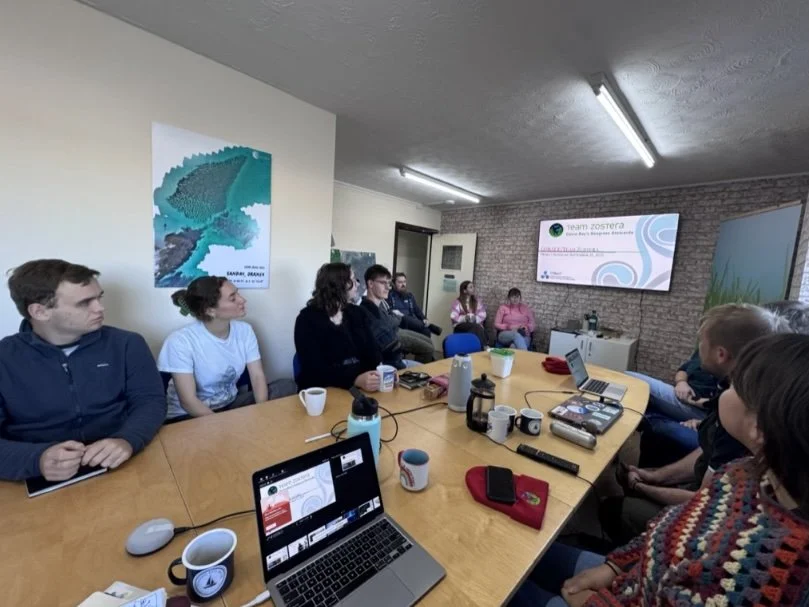
Selected SustainaMetrix Projects
IUCN Forest Landscape Restoration
SustainaMetrix co-led an episode study evaluating the International Union for Conservation of Nature’s Forest Landscape Restoration (FLR) program under the UK’s KNOWFOR initiative. The study examined how new policies and knowledge tools are helping unlock financial investment to support large-scale forest restoration efforts around the world.
Blue Marble Evaluation

SustainaMetrix partnered with Michael Quinn Patton and others to support the development of Blue Marble Evaluation, a global network advancing principles-based evaluation for the Anthropocene. The work helped reimagine evaluation beyond traditional program metrics, emphasizing systems thinking, global interdependence, and learning in the context of planetary change.
Coral Reef Capacity Assessment
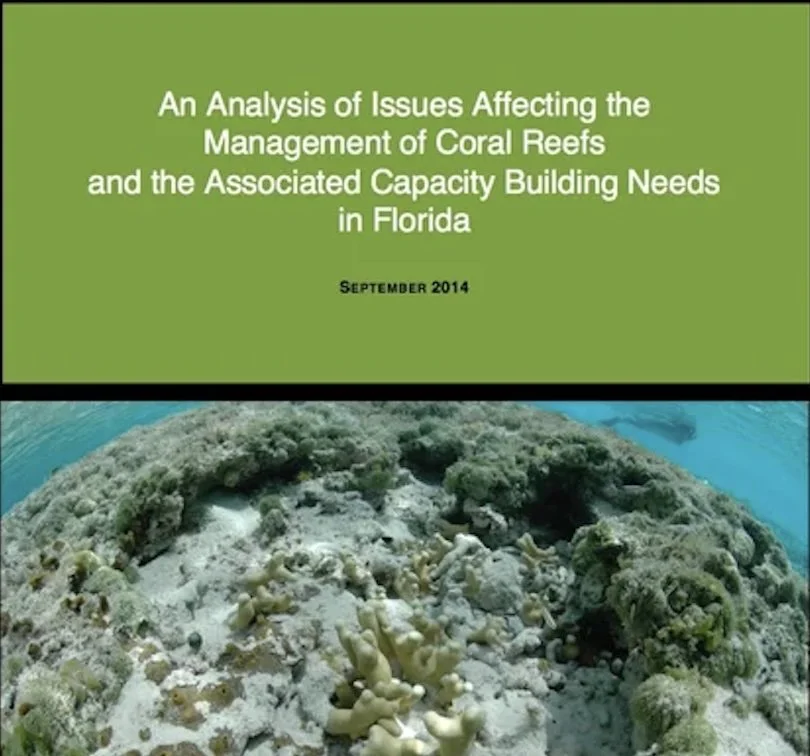
SustainaMetrix collaborated with NOAA’s Coral Reef Conservation Program and partners across seven U.S. jurisdictions to assess capacity for coral reef management. Using participatory timelines and cross-jurisdictional analysis, the work identified systemic gaps while supporting reflection on past efforts and future priorities. The resulting reports reframed capacity as an ongoing, collaborative process of learning and adaptive governance in complex marine systems.
Luc Hoffmann Institute
SustainaMetrix worked with the Luc Hoffmann Institute to co-design a developmental monitoring, evaluation, and learning strategy during a pivotal stage of the institute’s growth. The process supported a portfolio of conservation initiatives addressing challenges such as climate adaptation in protected areas, biodiversity impacts of agriculture, and the environmental footprint of cities.
Aquaculture Research Institute – University of Maine
SustainaMetrix conducted a systems-based external assessment of the University of Maine’s Aquaculture Research Institute. The analysis helped clarify the institute’s research strategy and informed the development of the region’s broader marine research initiatives.
Hɛn Mpoano: Our Coast, Our Future
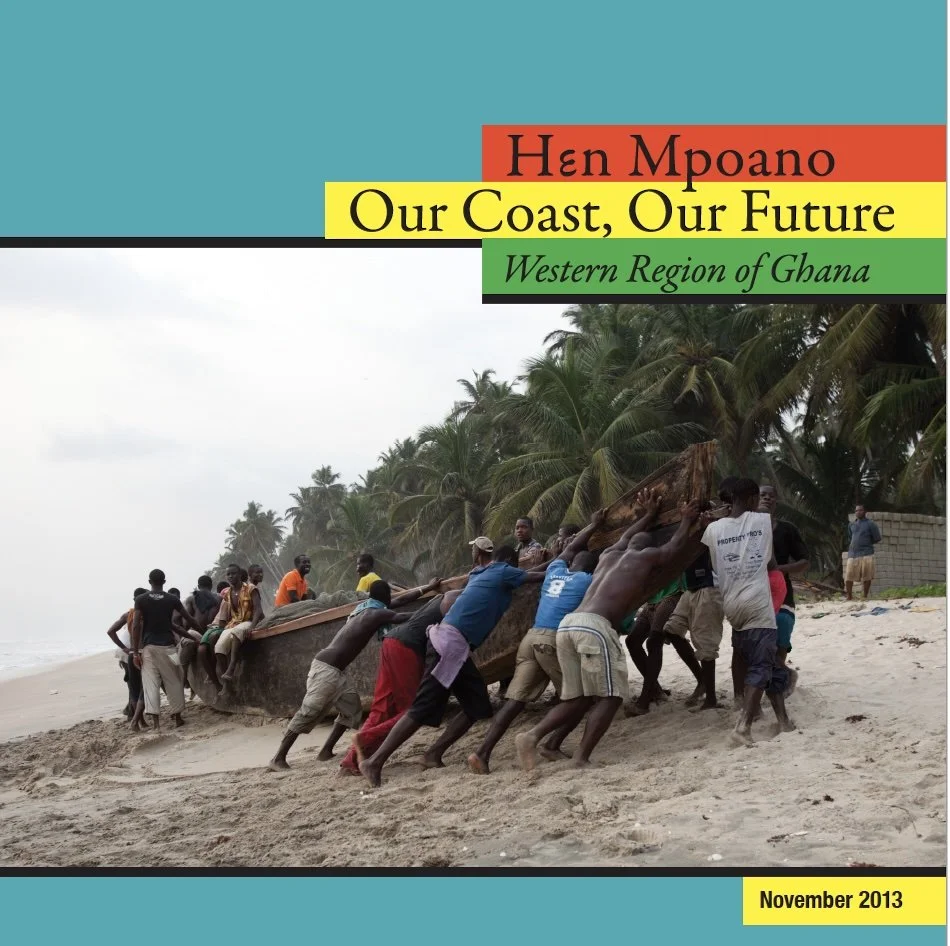
SustainaMetrix partnered with the Coastal Resources Center at the University of Rhode Island, Friends of the Nation, and WorldFish to support the Hen Mpoano initiative in Ghana. Grounded in an ecosystem approach, the work convened civil society, government, and market actors to strengthen coastal governance through dialogue, collaboration, and adaptive learning. By engaging diverse stakeholders—from traditional authorities to fishers and planners—it helped surface shared challenges and advance more inclusive, place-based management.
Oceana Canada

SustainaMetrix conducted a developmental evaluation of Oceana Canada during its startup phase to assess the implementation of science-based fisheries reform campaigns. The review examined strategies to rebuild fish populations, protect marine habitats, and strengthen transparency in fisheries management.
Oak Foundation
SustainaMetrix contributed to the evaluation of the Oak Foundation’s Environmental Strategy through the Emerald Network, bringing systems-level insight and a bioregional perspective. We helped assess strategic positioning and identify opportunities to strengthen alignment, deepen impact, and connect initiatives across regions and sectors.
University of Oslo – cChange Program
SustainaMetrix served as lead consultant to design a developmental monitoring, evaluation, and learning framework for the University of Oslo’s cChange program. Through systems mapping and timeline analysis, we helped researchers and practitioners identify patterns in climate change knowledge and explore pathways for transformative response.